


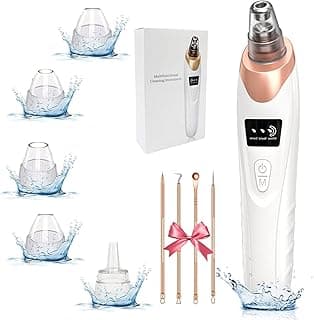
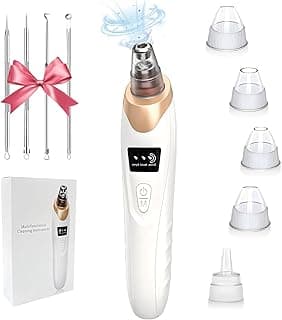
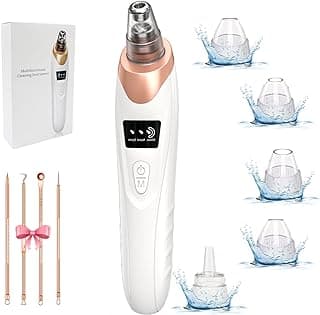
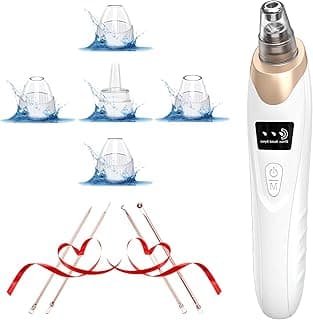
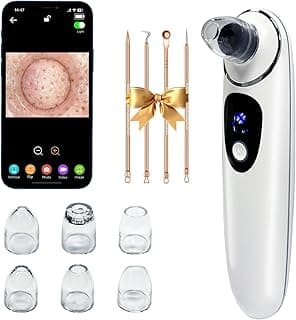
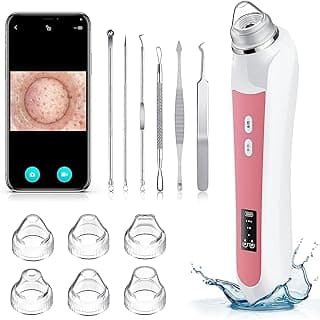
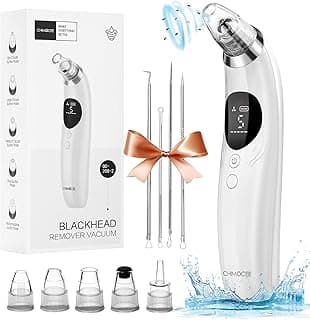
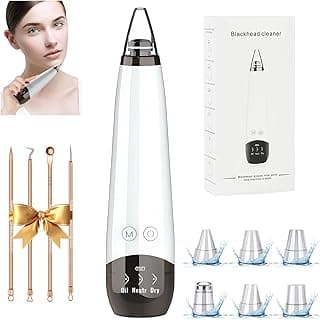
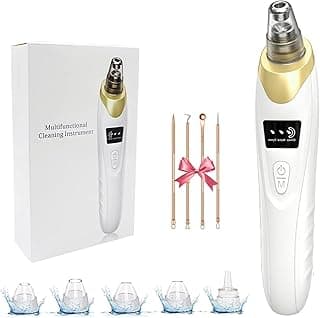
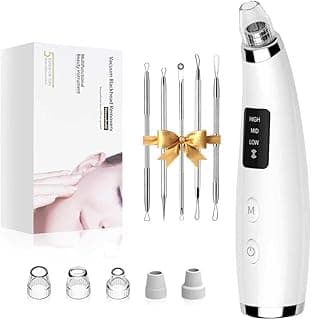
Who These Devices Might Actually Suit
Those with genuinely congested pores after professional guidance: Someone whose dermatologist or esthetician specifically recommends supplementary home extraction for their particular skin condition. This proves rare—most professionals prefer patients return for proper extraction rather than attempting home versions risking improper technique causing damage.
Extremely oily skin managing surface sebum: People producing excessive oil finding light suction helps managing surface buildup between proper cleanings. However, this addresses symptom rather than cause—better skincare routine targeting oil production serves more effectively long-term versus mechanical removal creating temporary improvement.
Those understanding and accepting limitations and risks: Users approaching devices realistically—expecting minimal improvement, using lowest settings, accepting results might not match social media videos. This psychological framing prevents disappointment when dramatic transformations don't materialize matching exaggerated marketing creating unrealistic expectations.
NOT recommended for: Sensitive skin, rosacea, active acne, thin skin, those prone to scarring or hyperpigmentation, anyone with visible broken capillaries already. These conditions prove contraindications making device use genuinely harmful rather than just ineffective. When skin concerns exist, reference practical gifts supporting professional skincare rather than DIY devices potentially worsening existing conditions.
What These Devices Actually Do vs. Marketing Claims
Pore vacuums remove surface debris and some sebaceous filaments—the white stringy material extraction videos showcase isn't necessarily blackheads but normal skin oil production that naturally emerges from pores. Removing this creates satisfying immediate results followed by return to baseline as skin continues normal function requiring ongoing extraction creating dependency on devices for maintaining artificially "clean" appearance.
They don't shrink pores—pore size genetically determined and unchangeable despite marketing suggesting otherwise. Temporary appearance improvement comes from removing contents making pores appear smaller briefly, but actual pore diameter remains constant. This biological reality means any "pore minimizing" claims prove false regardless of before-after photos showing apparent size reduction through lighting, angles, or just emptied pores photographed immediately after use.
Blackhead extraction requires breaking seal between oxidized plug and pore wall—simple suction often proves inadequate achieving this. Professional extraction applies pressure surrounding pore encouraging plug release from multiple angles. Vacuum suction pulls perpendicular to skin potentially extracting some plugs while failing others depending on how firmly they're lodged, creating inconsistent results users attribute to technique or device quality when actually reflecting fundamental limitation of suction-only approach.
The most satisfying skincare isn't always effective skincare—dramatic visible results sometimes indicate skin damage rather than improvement despite immediate gratification suggesting success.
The Broken Capillary Risk Nobody Emphasizes
Facial skin contains delicate blood vessels near surface—excessive suction breaks these creating permanent visible red or purple lines requiring professional laser treatment removing. The "slight redness" instructions dismiss as normal might indicate capillary damage in process, and cumulative effect from repeated use creates progressively more visible vascular damage despite each session seeming harmless individually.
Higher suction settings prove particularly dangerous—the strong suction creating more dramatic extraction results also maximizes capillary stress and bruising risk. However, lower settings often prove too weak achieving satisfactory results, creating Catch-22 where safe settings prove ineffective and effective settings prove unsafe depending on individual skin resilience varying unpredictably between users.
For gift contexts, this injury risk transforms seemingly-thoughtful beauty gift into potential liability—recipient experiencing broken capillaries might associate permanent facial damage with your gift regardless of their own technique being partially responsible. This association risk makes other skincare options safer gift choices avoiding potential negative memories linked to your present creating regret versus appreciation.
Budget Reality: Don't Overspend on Questionable Category
Budget pore vacuums ($20-40) perform similarly to premium options ($80-150)—both apply suction, neither overcome fundamental limitations making entire category questionable versus proper skincare. The best pore vacuum proves whichever costs least since premium pricing funds marketing and aesthetics rather than proportionally better skin outcomes or safer operation.
However, cheapest options sometimes lack suction control—fixed high suction proving more dangerous than adjustable models enabling starting low and cautiously increasing only if skin tolerates without immediate redness or discomfort. This safety consideration justifies slight premium for adjustable designs versus absolute-cheapest fixed-suction models maximizing injury risk.
Professional extraction from esthetician costs $50-100 per session—significantly more than device purchase but delivering safer more effective results without injury risk or permanent equipment ownership cluttering bathroom. For recipients dealing with genuine blackhead concerns rather than just trendy device interest, funding professional extraction proves more valuable than enabling potentially harmful home attempts regardless of device quality.
When Professional Care Beats DIY Devices
Persistent blackheads indicate skincare routine inadequacy—addressing through better cleansing, chemical exfoliation, or retinoids proves more effective than mechanical extraction treating symptom while ignoring causes creating ongoing congestion. Dermatologist consultation identifying root causes and appropriate treatments delivers lasting improvement versus perpetual extraction managing problem without resolving it.
Esthetician extractions prove safer than home devices—trained professionals recognize when extraction appropriate versus when it risks scarring or damage. They use proper technique, sterile tools, and appropriate pressure avoiding blood vessel trauma suction devices risk creating indiscriminately. The skill difference matters more than many realize—extraction proving genuinely specialized technique despite appearing simple watching videos suggesting anyone could attempt successfully at home.
For gift recipients expressing skin concerns, funding professional consultation or treatment series demonstrates more meaningful support than providing devices dermatologists discourage using. This positions gift as investment in their actual skin health rather than enabling trend participation potentially damaging complexion they're already concerned about improving through proper care rather than trendy shortcuts.
Reading Reviews While Considering Survivorship Bias
Positive reviews come disproportionately from users without complications—those experiencing broken capillaries or bruising less likely posting enthusiastic reviews creating false impression of safety and effectiveness. This survivorship bias makes pore vacuum reviews particularly unreliable versus product categories where failures prove less serious than permanent facial vascular damage.
Before-after photos prove easily manipulated—lighting changes, makeup application, or just photographing immediately after extraction versus days later creates dramatic apparent improvement that doesn't persist. The most honest reviews include long-term follow-up showing results (or lack thereof) weeks after initial use rather than just immediate post-extraction photos showing temporarily emptied pores before they refill naturally.
Dermatologist or esthetician reviewer opinions carry more weight than consumer enthusiasm—medical professionals understanding skin biology and having seen complications firsthand provide more reliable assessment than users excited by immediate visible results without recognizing potential long-term consequences their untrained eye can't identify until damage becomes obvious.
Gift Appropriateness: When to Reconsider
Unsolicited skincare device gifts risk implying you've judged recipient's skin—even well-intentioned gifts suggesting they need pore cleaning devices potentially feels like criticism about their appearance they didn't ask you addressing. Unless recipient specifically requests device or explicitly discusses wanting one, beauty devices prove riskier gifts than consumable skincare products avoiding similar implication regarding their current appearance needing correction.
For sensitive skin recipients, devices prove genuinely inappropriate—the injury risk outweighs any potential benefit making gift potentially harmful rather than just ineffective. If you're uncertain about recipient's skin type or sensitivity, alternative beauty gifts avoiding injury risk serve better than devices requiring skin resilience assessment you're unqualified making on their behalf.
Teenagers particularly vulnerable to poor technique—enthusiasm without judgment creates highest risk using excessive suction or over-treating creating damage that seems worth it for immediate clear skin not recognizing permanent vascular damage they're accumulating. For young recipients, education about proper skincare proves more valuable than devices enabling potentially harmful self-treatment before they've developed appropriate caution.
Alternatives Dermatologists Actually Recommend
Chemical exfoliation using BHA or AHA addresses blackheads more effectively—dissolving plugs chemically rather than mechanically extracting while simultaneously improving overall skin texture. Products containing salicylic acid prove particularly effective for oil management without trauma suction creates.
Retinoids increase cell turnover preventing blackhead formation—addressing root cause rather than just removing existing plugs. Prescription tretinoin or over-the-counter retinol delivers sustainable improvement versus temporary extraction results requiring perpetual maintenance maintaining artificially clean appearance devices create temporarily.
Professional-grade clay masks or pore strips provide gentler extraction alternative—while not perfect solutions, these prove safer than aggressive suction and sometimes more effective for loosening surface congestion without vascular stress. When exploring skincare support, reference related beauty gift options focusing on quality products versus trendy devices medical consensus questions.
Success Metrics: What Actually Indicates Value
Success isn't dramatic extraction results—it's sustained skin improvement without injury or damage. If recipient reports clearer skin weeks later without broken capillaries, bruising, or increased sensitivity, device proved compatible with their skin. However, if they mention redness, visible blood vessels, or abandoned device due to discomfort, results indicate harm despite potential initial enthusiasm about extractions achieved.
Professional skin assessment provides objective evaluation—dermatologist or esthetician examining skin can identify damage patient might not recognize as concerning. Suggesting follow-up professional evaluation after device use enables catching complications early before they become more serious or permanent requiring intervention versus simple discontinuation preventing additional damage.
For uncertain gift scenarios, consumable skincare proves safer than devices—quality cleanser, moisturizer, or sunscreen delivers value without injury risk that medical devices carry regardless of marketing suggesting safety through consumer-grade availability implying professional supervision unnecessary despite actual risks involved.
Gifts are for making an impression, not just for the sake of it.
GiftsPick - Meticulous, Kind, Objective.