

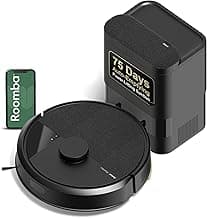
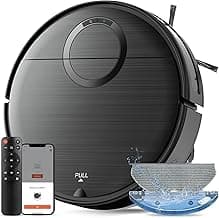
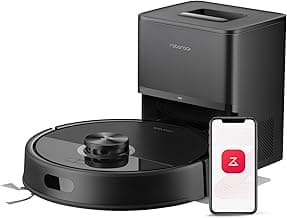
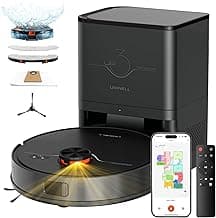
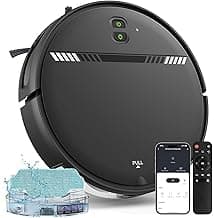
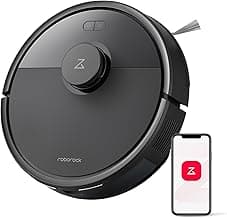
Why Combo Devices Disappoint: The Engineering Reality
Adding mopping to robot vacuums requires substantial design compromise. Water tanks consume internal volume otherwise allocated to dust bins—reducing debris capacity by 30-50%. This means more frequent emptying interruptions during cleaning cycles, particularly problematic for pet owners or large homes generating significant debris.
Mopping mechanisms add weight that drains batteries faster. A dedicated vacuum runs 90-120 minutes on single charge. Comparable combo unit manages 60-90 minutes before requiring recharge—covering less area per session. For homes exceeding single-charge capacity, this difference determines whether entire space gets cleaned or requires manual intervention mid-cycle.
Navigation systems must accommodate moisture application—avoiding carpets when in mop mode, managing transition zones, preventing oversaturation. This adds software complexity that introduces failure points absent in vacuum-only designs. Simple systems prove more reliable over thousands of cleaning cycles than complicated ones managing multiple operational modes.
The best tool for any job is the one engineered exclusively for that job, not the one attempting everything adequately.
For gifting purposes, this specialization principle matters enormously. You're selecting tools that will serve recipients daily for years. Reliability and performance trump feature counts when actual usage reveals shortcomings. The best vacuum only robot delivers consistent excellent vacuuming versus inconsistent adequate vacuuming-and-sometimes-mopping. For someone managing practical gifts for men who value tools that work or thoughtful presents for women tired of maintaining complicated equipment, simplicity becomes sophisticated choice.
The LiDAR Advantage: Navigation That Actually Works
The best LiDAR robot vacuum systems map rooms using laser distance measurement—spinning sensor detecting obstacles and creating precise spatial models. This differs fundamentally from camera-based or random-pattern navigation. LiDAR works in complete darkness, ignores lighting variations, and measures physical distance rather than interpreting visual information that fails when furniture moves or shadows shift.
LiDAR-equipped robots complete rooms systematically in parallel lines rather than random bumping patterns. This efficiency translates to faster cleaning and lower battery consumption per square foot covered. A 2,000 square foot home that takes 90 minutes with random navigation cleans in 60 minutes with LiDAR planning—freeing the robot for second-level cleaning or allowing smaller battery capacity without compromising coverage.
Real-time obstacle avoidance prevents furniture collisions and pet waste disasters. LiDAR detects changes in environment mid-cleaning—the toddler's toy dropped during naptime, the pet's food bowl moved during refill. Older navigation systems plow through obstacles or get stuck requiring manual rescue. Modern LiDAR systems navigate around new obstacles dynamically, completing cleaning without supervision stress.
Multi-floor mapping remembers distinct floor plans, adjusting cleaning patterns per level without relearning spaces repeatedly. For recipients in multi-story homes, this eliminates the tedious reconfiguration required by simpler systems. The robot transitions between floors maintaining efficiency rather than treating each cleaning like first-time exploration. This intelligence suits gift recipients who appreciate technology solving problems rather than creating new management overhead.
Carpet Performance: Where Dedicated Vacuums Dominate
Carpet cleaning demands stronger suction and more aggressive brush agitation than hard floors. Dedicated vacuum-only robots allocate all battery power and motor capacity to extraction performance. Combo units split resources between vacuuming and mopping functions—resulting in compromised carpet cleaning that disappoints anyone with substantial carpeted areas.
Multi-surface homes with area rugs on hardwood or mixed carpet-hardwood rooms benefit enormously from robots optimizing for both surfaces within vacuum-only framework. Without mopping concerns, these systems transition seamlessly between hard and soft surfaces, adjusting suction and brush speed automatically. Combo units require manual mode switching or avoid carpets entirely when mop pads attach—creating usage friction that reduces actual cleaning coverage.
High-pile carpet and thick area rugs challenge all robot vacuums, but dedicated systems handle them better through maximum suction allocation. Combo robots dial down suction to preserve battery for mopping phases—leaving embedded pet hair and ground-in dirt that requires manual follow-up. For households where carpet represents primary flooring rather than accent addition, vacuum specialization matters tremendously.
Pet hair extraction specifically benefits from dedicated vacuum engineering. Pet owners face constant fur accumulation requiring daily cleaning cycles. The best non-mop robot vacuum for pet households maximizes debris capacity and suction power without water tank compromises. This specialization suits recipients managing shedding season frustration or those who chose hardwood specifically to simplify pet cleanup. For complementary pet-focused solutions, explore how dedicated pet hair vacuums address various surfaces and situations.
Who Benefits From Vacuum-Only Robots Specifically
Apartment and condo dwellers with primarily carpet: High-rise living often means wall-to-wall carpet throughout units. Mopping functions sit unused while vacuum performance matters daily. These residents need efficient carpet cleaning in compact storage formats—exactly what dedicated robots deliver. For young professionals in first apartments or downsizers in maintenance-friendly condos, appropriately-matched tools prevent feature-paying-but-not-using frustration.
Pet owners prioritizing hair management: Daily fur accumulation overwhelms combo unit dust bins quickly. Dedicated vacuums with larger debris capacity run longer between emptying—crucial for multi-pet households or heavy-shedding breeds. These recipients measure success by fur removal, not floor polish. Gift selection acknowledging their actual priority problem demonstrates understanding beyond generic "more features better" assumptions.
Tech enthusiasts who already own dedicated mop solutions: Some households invest in separate robot mops or steam mop systems specifically for hard floor cleaning. Adding combo vacuum-mop creates redundant inferior mopping while degrading vacuum performance. These recipients appreciate specialized tools optimized for specific tasks rather than jack-of-all-trades compromises. Understanding their complete home equipment ecosystem prevents gifting overlap that wastes capability.
Renters avoiding water damage risk: Landlord relationships and security deposit concerns make water-using robots risky. Leaks, malfunctions, or improper operation creating moisture damage generates liability anxiety that prevents confident use. Vacuum-only robots eliminate this worry entirely—no water means no water damage. For renters or property managers maintaining multiple units, this risk reduction matters beyond simple functionality preferences.
Maintenance Simplicity: The Hidden Time Cost
Combo robot vacuum-mops require maintaining two separate systems: vacuum components (brushes, filters, dust bins) AND mopping components (water tanks, mop pads, cleaning solutions). Each system demands regular attention—brushes need untangling, filters need cleaning, mop pads need washing, tanks need refilling and sanitizing. This doubled maintenance burden leads to neglected upkeep and degraded performance.
Dedicated vacuum-only robots simplify maintenance to three actions: empty dust bin, clean brush roll, wash filter. This streamlined routine takes under five minutes weekly and actually gets done consistently rather than postponed because it feels overwhelming. For time-constrained recipients—young parents, working professionals, older adults managing daily routines—simpler maintenance directly predicts whether equipment stays functional long-term or degrades through neglect.
Fewer components mean fewer potential failure points. Water pumps clog, mop pad mechanisms jam, moisture sensors malfunction. Vacuum-only designs eliminate these additional failure modes entirely. The reliability difference compounds over years—dedicated vacuums running years after combo units require repair or replacement. This longevity makes vacuum-only robots better value despite potentially higher initial cost.
Replacement part ecosystems favor simpler designs. Vacuum-only robots need brush rolls and filters—commonly available, competitively priced, often universal-fit. Combo units require proprietary mop pads, specific water tank designs, unique cleaning solution formulations. When manufacturers discontinue models, combo owners face parts shortages that brick expensive equipment. Simpler designs prove more future-proof through broader parts compatibility.
Battery Life and Coverage Mathematics
Dedicated vacuum-only robots allocate 100% battery capacity to vacuuming. This translates to maximum coverage per charge—critical for large homes or multi-level properties. A 5,000mAh battery powering only vacuum motors runs 90-120 minutes. That same battery split between vacuum and mopping functions manages 60-75 minutes of combined operation.
Recharge-and-resume functionality matters less when robots complete entire spaces on single charge. Dedicated vacuums cover 2,000-3,000 square feet typical of most homes without intervention. Combo units often require mid-cleaning recharging for similar coverage—adding 2-3 hours to completion time when accounting for charge periods. For recipients who prefer "set it and forget it" automation, single-charge completion eliminates the "is it still running?" monitoring anxiety.
Power management algorithms optimize differently in specialized versus combo designs. Vacuum-only systems balance suction strength against coverage area dynamically—maximizing performance where needed while conserving power in light-duty areas. Combo units must reserve power for mopping phases regardless of actual need, resulting in overconservative power use that leaves dirt behind unnecessarily.
Maximizing battery life through minimal features sounds like compromise until you realize it's actually optimization.
The "Already Have a Mop" Argument
Many households already own effective hard floor cleaning solutions—Swiffers, steam mops, traditional mopping systems. Adding robotic mopping creates redundant inferior capability while degrading vacuum performance. The robot mop never achieves what dedicated mop systems deliver, yet its presence compromises core vacuum function.
This reality makes best robot vacuum only models ideal for recipients with established floor cleaning routines they're satisfied with. You're not replacing their complete system—you're augmenting vacuum capability specifically while respecting their preferred mopping approach. This shows you understand their existing infrastructure rather than assuming technology upgrades require wholesale replacement.
For households dividing labor—perhaps one person manages robot vacuum scheduling while another handles mop cleaning—separated systems allow parallel operation. Vacuum runs daily for maintenance cleaning while mop tackles weekly deep cleaning independently. Combo units force sequential operation and compromise both functions. Specialized tools enable efficient workflow division impossible with all-in-one approaches.
Suction Power Specifications That Actually Matter
Marketing touts Pascal (Pa) ratings as primary suction metrics—higher numbers suggesting better performance. Reality proves more nuanced. A 3,000Pa robot with poor airflow design underperforms a 2,500Pa unit with optimized air channels. Suction power means nothing without corresponding airflow to actually transport debris to dust bins.
Brush roll design impacts debris pickup more than raw suction for many surface types. Dual rubber brushes excel on hard floors and pet hair. Single bristle brushes suit carpet fiber agitation. Combination designs attempt versatility but compromise peak performance on either surface. Dedicated vacuum-only robots optimize brush configuration for recipient's actual flooring rather than hedging for hypothetical mopping surfaces.
Auto-boost modes detect high-resistance areas (thick carpets, rug edges) and increase suction temporarily. This intelligence prevents battery waste on surfaces needing minimal power while ensuring difficult areas receive adequate attention. Combo units rarely include sophisticated auto-boost because mopping considerations complicate power management algorithms. Specialized vacuums implement these optimizations more effectively through singular focus.
Smart Home Integration: When Simplicity Enables Sophistication
Dedicated vacuum-only robots integrate cleanly into smart home ecosystems precisely because they do one thing. Voice commands remain straightforward: "vacuum the living room" works reliably. Compare to combo units requiring "vacuum and mop the living room" or "just vacuum the living room without mopping"—complexity that leads to misunderstood commands and user frustration.
Scheduling simplifies when managing single function. Daily vacuum runs at 2 AM work perfectly. Combo units require considering whether mopping makes sense daily (usually not) and manually alternating modes or schedules. This added cognitive load leads to underutilization—users schedule less frequently rather than managing complexity, defeating automation benefits.
Multi-room selective cleaning—"vacuum bedroom and office"—executes reliably in dedicated systems. Combo units require remembering which rooms have carpet (vacuum-only) versus hard floors (vacuum-and-mop possible) and adjusting commands accordingly. This mental overhead prevents casual usage that defines successful home automation. Tools requiring consultation before each use don't feel automated—they feel like work.
Budget Allocation: Performance Versus Feature Count
$500 buys a premium vacuum-only robot with excellent navigation, strong suction, large dust capacity, and reliable operation. That same $500 buys a mid-tier combo unit splitting engineering budget between adequate vacuuming and basic mopping. The combo promises more but delivers less—neither function reaches the quality level available through specialization at equivalent price points.
This economic reality matters for gift selection. You can provide exceptional vacuuming capability within budget or mediocre combination functionality at same cost. For most recipients, excellent performance in needed area trumps adequate performance in multiple areas. The vacuum runs daily; mopping happens weekly if at all. Prioritizing the high-frequency need delivers more practical value than spreading resources across mixed-frequency applications.
Repair and replacement costs favor simpler systems too. When combo units malfunction, diagnosing whether vacuum or mop system failed complicates troubleshooting. Repairs often require replacing entire integrated subsystems rather than simple component swaps. Dedicated vacuums maintain lower lifetime ownership costs through simpler failure modes and cheaper component replacement. This total-cost perspective especially matters for recipients on fixed incomes or budget-conscious households where ongoing expenses impact satisfaction.
The Rental Property and Multi-Unit Management Case
Property managers maintaining multiple units benefit enormously from vacuum-only robots. No water damage liability, simpler operation for diverse tenant technical skill levels, easier maintenance between tenancies. Combo units introduce water risks and operational complexity that multiply problems across multiple properties simultaneously.
Furniture rental and staging companies similarly prefer vacuum-only models for property preparation. Quick debris removal between showings without moisture concerns that could damage hardwood staging or create mildew smells in vacant properties. Specialized tools with minimal training requirements suit high-turnover staff better than complex multi-function equipment demanding detailed operational knowledge.
For gift recipients managing properties beyond primary residence—rental investments, vacation homes, aging parents' homes remotely—dedicated vacuums provide practical value through reduced liability and simplified remote management. You can confidently enable automated cleaning without water-damage worry calls at midnight. This peace-of-mind factor especially resonates with recipients already managing complex responsibilities.
When Vacuum-Only Makes Poor Gift Choice
Recipients in exclusively hard-floor homes with strong mopping preferences might genuinely benefit from combo units. If they've explicitly expressed interest in automated mopping and have minimal carpet, then combo designs serve their stated needs despite general specialization arguments. Gift selection requires knowing recipient circumstances rather than applying universal principles blindly.
Households with mobility challenges where bending to traditional mop work creates genuine difficulty face different trade-offs. For elderly recipients or those managing disabilities, automated mopping provides accessibility benefit exceeding performance optimization concerns. In these contexts, adequate automated mopping beats excellent manual mopping they can't perform safely.
Budget-constrained recipients who can afford single robot need considering both vacuum and mop benefits face legitimate combination-unit justification. Sometimes "adequate at both" beats "excellent at vacuuming, nothing at mopping" when resources truly prevent owning separate specialized tools. Honest assessment of recipient's financial constraints informs when compromise solutions actually represent optimal choice within real-world limitations.
Timing and Context for Vacuum-Only Robot Gifts
Moving into primarily carpeted homes: New homeowners discovering their beautiful new space features wall-to-wall carpet benefit immediately from optimized carpet cleaning. Timing gift to move-in period helps establish maintenance routines from day one. This pairs naturally with other thoughtful gifts around major life transitions.
After adopting pets: New pet owners rapidly discover fur management challenges. Gifting within first months of pet ownership addresses emerging need before it becomes overwhelming frustration. You're solving problem they're just recognizing rather than waiting until they've adapted to suboptimal manual cleaning patterns.
Tech upgrade cycles: Recipients replacing older robot vacuums provide opportunity to discuss specialization benefits. They have existing experience with robot cleaning but might not realize modern dedicated units vastly outperform their old combo attempts. Educated upgrade guidance shows you've researched rather than just buying latest marketed model.
Health-driven cleaning increases: Allergy diagnoses or respiratory concerns prompting increased cleaning frequency make automated daily vacuuming suddenly valuable. Timing to these health developments demonstrates attentive care about medical needs beyond just social gifting conventions. For related health-focused options, consider how HEPA filtration systems complement automated cleaning schedules.
Feature Priorities Beyond Just "No Mop"
Virtual boundaries and no-go zones prevent robots entering specific areas without physical barrier requirements. Pet feeding stations, delicate floor decorations, home office cable nests—these areas need exclusion without installing plastic strips or magnetic tape. Software-defined boundaries suit modern homes better than physical barrier aesthetics.
Spot-cleaning modes for targeted mess response—spilled cereal, tracked-in mud, specific high-traffic zones. This flexibility enables using robot for immediate mess response rather than waiting for scheduled full-house cleaning. For families with young children or active pets, spot-cleaning transforms robot from scheduled appliance to responsive cleaning tool.
Customizable suction levels per room accommodate different surface needs and noise tolerance. Bedroom cleaning at 6 AM uses low suction to minimize noise; living room cleaning at noon employs maximum power for deep cleaning. This granular control suits households with varied schedules and noise sensitivity. Recipients appreciate technology respecting their lifestyle rather than forcing adaptation to equipment limitations.
Carpet boost detection automatically increases suction on carpets versus hard floors. This optimization conserves battery on surfaces needing minimal power while ensuring adequate performance where it matters. The automation prevents users needing to remember or manually adjust settings—robot handles optimization invisibly while delivering consistently excellent results.
The Anti-Gimmick Gifting Philosophy
Marketers push feature counts because numbers sell. More functions, more modes, more accessories—these appear to deliver greater value despite often creating greater complications. Resisting this pressure demonstrates gift-selection sophistication that recipients notice over time if not immediately.
Tools that do one thing brilliantly become household favorites while multi-function gadgets gather dust. The single-purpose coffee grinder versus the food processor with grinding attachment. The dedicated bread knife versus the multi-knife block. The focused tool gets used; the complicated one requires consulting manuals before each operation until eventually it's abandoned entirely.
This principle applies especially to recipients who already own too much stuff. Adding another gadget lands poorly. But replacing three mediocre tools with one excellent specialized tool demonstrates understanding of "less but better" philosophy increasingly defining modern intentional living. For recipients interested in minimalism or thoughtful consumption, specialized quality over generic quantity resonates deeply.
The most sophisticated gift choice often involves intentionally selecting less—fewer features, simpler operation, focused excellence over scattered adequacy.
Reading Reviews for Vacuum-Only Specific Insights
Filter reviews to focus on carpet performance specifically when that's recipient's primary need. Combo-unit reviews often emphasize mopping novelty while glossing over compromised vacuum performance. Dedicated vacuum reviews from carpet-dominant households provide relevant performance data for accurate capability assessment.
Long-term reliability reviews (12+ months ownership) reveal whether simplified designs actually deliver promised durability benefits. Initial enthusiasm often fades when maintenance burdens emerge or features fail. Reviews mentioning "still running great after 18 months" or "requires less maintenance than expected" validate specialization-enabling-reliability thesis.
Navigation accuracy reviews matter enormously. LiDAR sophistication varies widely between manufacturers. Some create precise maps and clean methodically; others struggle with dark furniture or complex layouts. User reports about navigation frustrations or praising route efficiency provide ground truth beyond marketing claims about advanced sensors.
The Complete Home Cleaning Ecosystem Approach
Dedicated robot vacuum handles daily maintenance cleaning—the constant low-level debris accumulation from living. Manual deep-cleaning with powerful upright or canister tackles weekly thorough cleaning of carpets and furniture. Separate mopping solution manages hard floor wet cleaning on appropriate schedule. This three-tool system outperforms any single combo unit attempting everything.
For gifting purposes, acknowledging recipient's complete cleaning ecosystem prevents redundant capability while filling actual gaps. If they already own excellent upright vacuum, robot adds automated daily maintenance without replacing manual deep-clean capability. If they have steam mop they like, robot specializes in dry debris without forcing mopping method change. This respectful augmentation beats presumptuous replacement approaches.
Building complete systems over time through multiple gift occasions creates sustained value relationship. Birthday brings robot vacuum; next Christmas adds replacement brush rolls and filters; anniversary brings auto-empty base station upgrade. This progression demonstrates ongoing care investment more meaningfully than single expensive gift disappearing into household background.
Installation and Onboarding: Setting Recipients Up for Success
Include setup service or offer initial configuration assistance when gifting robot vacuums. App connection, Wi-Fi setup, room mapping, and schedule configuration intimidate some recipients enough to delay first use indefinitely. Removing this activation barrier ensures gift gets used rather than staying boxed.
Create simple quick-reference guide covering most common operations: start cleaning, stop/pause, empty dust bin, clean brush roll. Manufacturers pack manuals with every conceivable feature when most users need basic operation confidence first. Your simplified guide demonstrates understanding of actual adoption barriers rather than assuming technical comfort.
Set sensible initial schedule that user can modify—perhaps 10 AM daily when most households are empty. This provides immediate value without requiring recipients figure out optimal timing themselves. They experience benefit quickly rather than facing blank schedule template requiring decisions before seeing any automation advantage.
Why Simple Often Means Smarter
The engineering effort required to make specialized tools feel effortless exceeds the complexity needed to cram multiple functions into single device. Making robot vacuum-only work brilliantly—intelligent navigation, optimized suction, perfect brush design, extended battery life—demands focused expertise. Adding mopping splits engineering attention across competing priorities, compromising results everywhere.
For recipients who appreciate craftsmanship and thoughtful design over feature proliferation, specialized robot vacuums represent aligned values. These are people who research extensively before purchasing, who maintain tools properly, who prefer the specific right tool over the generic adequate solution. Your gift selection acknowledging these preferences communicates you understand what they value beyond surface desires.
This philosophy extends beyond robot vacuums to gift-giving generally. The carefully selected specialized item beats the impressive-sounding-but-ultimately-disappointing Swiss Army knife approach. For relationships where you can gift based on deep understanding rather than trying to cover all possible bases with feature-heavy compromises, specialization demonstrates sophisticated care. Consider how this applies across other practical gift categories where focus beats breadth.
The Long Game: Equipment That Lasts
Dedicated vacuum-only robots remain relevant longer than combo units because core function stays constant while secondary features become obsolete. Mopping technology evolves; yesterday's cutting-edge becomes tomorrow's inadequate. Pure vacuuming changes minimally—suction removes debris now as it did five years ago and will five years hence.
This longevity means your gift provides value across many years rather than becoming outdated rapidly. For milestone gifts marking significant occasions—graduations, weddings, major birthdays—equipment serving decade-plus lifespan carries weight beyond trendy gadgets obsolete within months. The enduring utility demonstrates gift selection considering long-term recipient benefit over short-term impressiveness.
Repair economics favor simpler designs significantly. When specialized vacuum requires service, diagnosis is straightforward and parts are affordable. Combo unit failures require determining which subsystem failed and often replacing expensive integrated modules. Over expected lifetime, simpler designs cost less to maintain while providing more reliable service. This total ownership experience determines whether recipients remember your gift fondly or resent the maintenance burden.
Gifts are for making an impression, not just for the sake of it.
GiftsPick - Meticulous, Kind, Objective.