
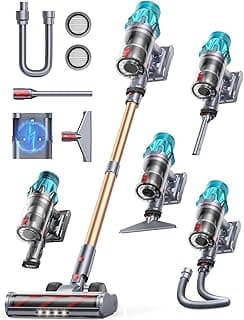
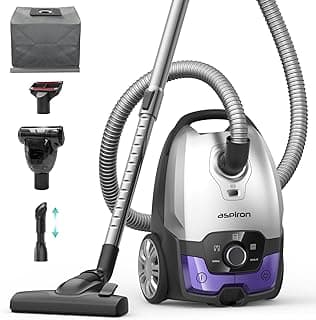
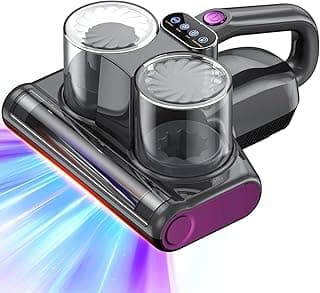
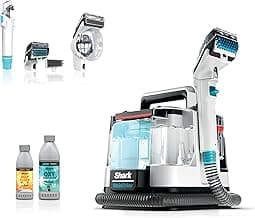
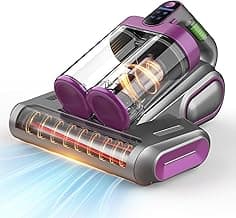
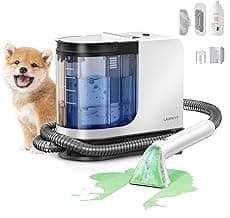
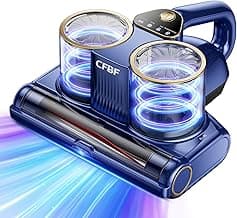
Why Upholstery Defeats Standard Floor Vacuums
Floor vacuums optimize for horizontal surfaces—downward suction through cleaning head pressed against floors by gravity and user pressure. Upholstery demands different physics—vertical and angled surfaces where gravity works against cleaning, fabric weaves holding debris through friction and static, and cushion surfaces compressing under pressure potentially driving contamination deeper rather than extracting it. The same suction power proving excellent on floors accomplishes minimal upholstery extraction because application angle and surface characteristics create entirely different debris-removal challenges.
Fabric weave structure traps particles in three-dimensional matrix unlike smooth floor surfaces holding debris on two-dimensional plane. Dust settling onto hardwood sits exposed to suction. Dust settling onto upholstery works between fibers becoming mechanically trapped requiring agitation or precise airflow patterns extracting from within fabric structure rather than just collecting from surface. This fundamental difference explains why running floor vacuum attachment across sofa feels like cleaning but fabric examination reveals minimal actual debris removal occurred.
Cushion compression creates additional challenge—pressing hard against upholstery attempting better suction contact simply pushes debris deeper into foam layers where no vacuum reaches. Light contact enables surface extraction but leaves embedded contamination untouched. The pressure balance between achieving cleaning contact and avoiding counterproductive compression requires technique floor vacuuming never demands—making upholstery cleaning skill-dependent rather than equipment-only solution.
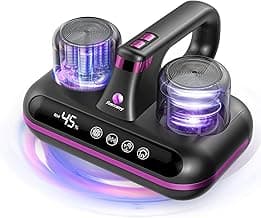
Static electricity in synthetic upholstery fabrics attracts and holds dust through electrical charge rather than just gravity—particles cling to fibers actively resisting removal beyond what weight alone would create. Winter heating amplifying static makes upholstery cleaning genuinely harder certain times of year—not user imagination but measurable physics making identical cleaning effort yield different results seasonally. The best vacuum cleaner for sofa addresses these electrical attractions alongside mechanical suction, incorporating features specifically neutralizing static rather than just pulling harder against electrical forces standard floor vacuums ignore.
For gift-givers watching friends habitually snack on sofas, households with pets who claim furniture, or families where upholstered surfaces serve as primary living spaces, understanding upholstery contamination reality transforms cleaning equipment from household item into health infrastructure. When considering thoughtful gifts for women or practical presents for men managing households, tools addressing invisible problems people don't think about until confronted demonstrate perceptive care.
What Actually Lives in Your Couch
Dust mites thrive in upholstery—feeding on shed skin cells accumulating in fabric providing ideal food source and humid microclimate mite populations require. A typical used sofa might harbor 100,000-10 million mites depending on age, use intensity, and environmental conditions. These aren't visible to naked eye but their waste products trigger allergies affecting millions. Every time someone sits down forcefully, mite waste becomes airborne—the "dust" you see in sunbeams streaming through windows contains substantial allergenic mite feces inhaled with every breath taken near contaminated furniture.
Food particles embedded during eating on couches create bacterial growth opportunities in warm humid fabric layers. That chip crumb from three months ago you never found? It's decomposing within cushion seams creating mild but genuine bacterial contamination. Combine multiple years of occasional food drops with body oils, sweat absorbed during summer napping, and spilled beverages incompletely cleaned—upholstery becomes genuinely unsanitary despite appearing acceptable to visual inspection untrained in contamination indicators.
Pet dander accumulates regardless of whether animals officially allowed on furniture—airborne particles settle everywhere, concentrated where static attraction pulls them into fabric weaves. For households claiming "dog isn't allowed on couch," allergen testing reveals substantial canine protein throughout upholstery from airborne dander deposition and occasional rule violations nobody admits. This hidden contamination affects allergic guests who experience symptoms despite animals being "kept off furniture" through owner perception rather than contamination reality.
Volatile organic compounds from cleaning products, air fresheners, and general household chemicals absorb into porous upholstery fabrics creating reservoir releasing compounds back into air over time. That "new couch smell" everyone dislikes? It's VOC off-gassing from manufacturing treatments. But old couches release stored VOCs from years of environmental exposure—creating indoor air quality concerns people attribute to various sources without recognizing furniture itself as emission source requiring periodic extraction beyond what surface wiping achieves.
Who Needs Dedicated Upholstery Cleaning Capability
Allergy sufferers sharing homes with upholstered furniture: Those managing respiratory sensitivities discovering antihistamines prove less effective than environmental controls. Regular upholstery extraction reduces allergen load measurably—creating symptom improvement medication alone can't achieve. For friends constantly congested despite medical treatment, equipment enabling environmental intervention demonstrates understanding beyond just sympathetic "hope you feel better" without actionable support addressing root causes.
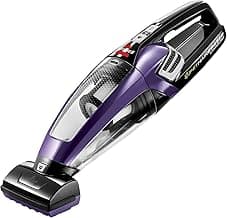
Pet owners whose animals claim furniture: Households where pets officially sleep on beds or unofficially colonize sofas despite rules. The fur shows obviously but dander embeds invisibly creating contamination persisting long after visible hair removal. For pet-loving friends managing allergic family members or guests, tools extracting invisible allergens alongside visible fur enable maintaining pet relationships without forcing impossible choices between animals and human health. For related pet considerations, explore comprehensive pet hair solutions.
Families with young children using furniture intensively: Homes where kids eat snacks on couches, spill drinks regularly, and generally treat upholstery as jungle gym rather than furniture. The visible stains get addressed but embedded food particles and biological contamination accumulate beyond what surface spot-cleaning removes. For parents already overwhelmed by child-generated chaos, tools addressing invisible contamination alongside visible messes demonstrate targeted practical support.
Those replacing furniture for cleanliness rather than wear: People who've bought new sofas because previous ones felt "gross" despite structurally sound—recognizing contamination reached levels cleaning couldn't address. These buyers benefit from maintenance equipment preventing next furniture set reaching similar contamination necessitating premature replacement. For friends expressing intention to better maintain new furniture, gifting appropriate tools supports stated goals rather than just congratulating purchase.
Attachment Design: What Actually Matters
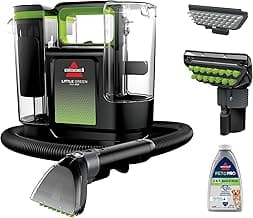
Wide upholstery tools with fabric strips rather than bristles prove most effective—soft material contacting fabric without damaging delicate weaves while creating turbulence patterns lifting embedded debris. Bristled attachments designed for floors potentially snag delicate upholstery or prove too aggressive for fabric surfaces requiring gentle approach maintaining appearance while extracting contamination. The best upholstery vacuum prioritizes fabric safety alongside cleaning effectiveness rather than maximizing extraction at cost of material damage.
Motorized brush attachments agitate fabric releasing embedded particles suction alone can't extract. However, motorized brushes risk damaging delicate fabrics—requiring user judgment about when mechanical agitation helps versus when it harms. This assessment demands more sophistication than floor vacuuming where aggressive always proves better—making upholstery cleaning technique-dependent rather than equipment-only solution even with quality tools.
Crevice tools reach between cushions where debris accumulates from gravity and gaps created by sitting compression. The treasures discovered during thorough crevice cleaning prove simultaneously fascinating and disgusting—coins, remote controls, mysterious crumbs, and biological materials nobody wants identifying specifically. These tools prove essential for complete cleaning rather than just visible surface maintenance leaving concentrated contamination in hard-to-reach zones eventually creating odors or pest attraction.
Dusting brushes with soft bristles suit delicate fabrics and detailed furniture—carved wood trim, button tufting, decorative elements that standard tools damage or can't access. These specialized attachments separate thorough furniture cleaning from adequate surface maintenance—enabling true deep cleaning versus perpetual surface attention leaving details perpetually neglected because accessing them properly requires dedicated tools standard vacuum sets don't include.
Handheld Versus Full-Size: The Trade-off Reality
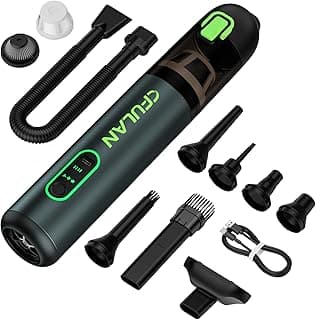
Handheld vacuums offer convenience—grab from charging station, quick spot clean, return to dock. This ease determines whether upholstery gets cleaned weekly during commercial breaks versus twice-yearly when guilt overwhelms avoidance. The lower barrier to use proves more valuable than superior capability never activated because retrieving full vacuum from closet feels like project rather than impulse maintenance. The best vacuum for couches might prove the one actually used rather than theoretically superior equipment that stays stored.
However, handheld battery capacity limits deep cleaning sessions—10-20 minute runtime proves adequate for spot cleaning but insufficient for thoroughly extracting contamination from complete living room furniture set. Users must choose between frequent shallow cleaning maintaining baseline cleanliness versus infrequent deep sessions requiring full-size equipment. Neither approach proves universally superior—suitability depends on whether visible maintenance or invisible deep cleaning matters more to specific recipient's priorities and tolerance levels.
Suction power differs dramatically between handheld and full-size systems—corded full-size vacuums delivering 3-4 times suction versus battery-powered handhelds. This power difference determines effectiveness extracting embedded debris versus just surface collection. For visible crumb removal, handhelds suffice. For allergen extraction or genuine contamination reduction, full-size suction proves necessary. Understanding recipient's goal—appearance maintenance or health improvement—informs appropriate equipment tier rather than assuming handheld convenience always trumps full-size capability.
For gift contexts specifically, handhelds prove less intimidating—recipients actually use them rather than feeling gifted chore equipment they avoid despite good intentions. However, if recipient articulates genuine health concerns or deep-cleaning desires, handheld inadequacy frustrates despite convenience. Matching equipment capability to articulated needs rather than presuming convenience always wins prevents gifting impressive-but-inadequate tools failing serving recipient's actual stated goals.
When Steam Extraction Makes Sense
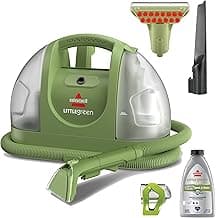
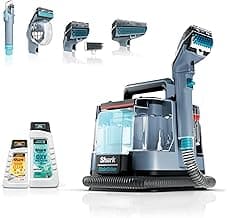
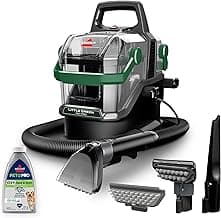
Steam cleaning penetrates fabric layers applying heat and moisture that vacuum suction alone can't achieve—killing dust mites through temperature exposure, loosening embedded oils and grime, and enabling extraction of contamination mechanical agitation and suction miss. However, steam introduces moisture into cushions potentially creating mildew if insufficient drying occurs—requiring user judgment about fabric types tolerating steam versus requiring dry-only cleaning approaches standard vacuuming provides safely universally.
Delicate fabrics risk water staining or shrinkage from steam application—silk, velvet, some wool upholstery demands dry cleaning only rather than moisture-based extraction regardless of superior cleaning steam potentially provides. The care tag consultation nobody actually performs before steam cleaning determines whether approach proves safe or damaging—making steam capability double-edged benefit requiring responsible use preventing damage through moisture misapplication on inappropriate materials.
Steam extraction proves particularly valuable for odor removal—heat and moisture breaking down organic compounds creating smells vacuum suction can't address. That mysterious couch smell nobody identifies but everyone notices? Steam extraction might resolve it through deep cleaning reaching contamination sources dry vacuuming never touches. However, steam proving effective doesn't mean it's always appropriate—fabric safety concerns must override cleaning effectiveness desires when materials can't tolerate moisture exposure without damage.
For gift recipients with washable-cover upholstery or generally durable fabrics, steam capability adds genuine value. For those with delicate or vintage furniture, steam creates risk outweighing benefit making dry-only vacuuming safer choice despite potentially less thorough contamination removal. This assessment requires knowing recipient's actual furniture rather than assuming all upholstery tolerates identical treatment approaches marketing universally recommends without acknowledging material variability.
The Pet Hair Upholstery Challenge
Pet hair on upholstery proves harder removing than floor hair—fabric weaves trap hair through mechanical interlocking and static attraction creating resistance standard vacuum attachments can't overcome. The fur you see represents fraction of total hair embedded in fabric—visible surface hair plus invisible embedded hair requiring dedicated extraction tools versus just stronger suction overcoming resistance physics creates against removal attempts.
Rubber rake attachments designed for upholstery hair removal work through friction—rubber nubs catching hair and pulling it from fabric weave before vacuum suction collects loosened strands. These require manual raking motion prior to vacuuming—adding step to cleaning process but dramatically improving results versus vacuum-only approaches leaving substantial hair behind despite thorough suction attempts. The additional effort determines whether tools actually get used versus staying stored because cleaning process feels too elaborate for routine maintenance.
Microfiber cloths dampened slightly prove remarkably effective at upholstery pet hair removal—moisture creating slight adhesion that captures hair standard dry methods miss. This low-tech approach sometimes outperforms expensive vacuum attachments through exploiting physics principles specialized equipment ignores. Including microfiber cloths alongside upholstery vacuum demonstrates understanding complete toolkit extends beyond single equipment type—comprehensive solutions combining tools and techniques rather than expecting machinery alone solving complex problems.
For pet owner gift recipients, acknowledging upholstery hair proves different challenge than floor hair prevents gifting floor-focused pet vacuums inadequately addressing their furniture contamination. Tools specifically engineered for upholstery pet hair—not just floor vacuums with upholstery attachments added as afterthought—demonstrate research depth understanding their specific challenge rather than just buying "pet vacuum" generically. For floors specifically, reference hardwood pet hair solutions addressing surface-specific needs.
Cordless Convenience for Spontaneous Cleaning
Cordless handheld vacuums enable impulse upholstery maintenance—seeing crumbs during commercial break and addressing immediately rather than noting "must clean couch eventually" then forgetting until mess accumulates beyond quick-fix into project requiring motivation. This spontaneous cleaning maintains baseline appearance preventing accumulation that makes task feel overwhelming encouraging perpetual deferral nobody admits but everybody practices.
However, battery capacity limits thoroughness—10-15 minute runtime suits spot cleaning but proves insufficient for extracting contamination from complete furniture set requiring 30-45 minutes sustained operation. Users must supplement quick cordless maintenance with periodic thorough corded cleaning—hybrid approach delivering better results than either method alone. Neither cordless convenience nor corded capability proves complete solution—combination serving different needs appropriately rather than forcing single tool addressing varied scenarios equally inadequately.
Battery degradation over 18-24 months reduces initially-adequate runtime to frustratingly-short duration—equipment initially covering whole couch eventually managing single cushion before requiring recharge. For recipients likely using equipment frequently, this degradation timeline matters for long-term satisfaction predictions. Communicating this expected battery aging prevents concluding equipment failed when it simply exhibits normal consumable wear users don't always recognize as typical rather than defect requiring repair or replacement.
For gift contexts where recipient's cleaning patterns prove unknown, versatile corded equipment with adequate cord length enables whole-room furniture cleaning without power limitations proves safer choice than cordless convenience that might prove inadequate for their actual needs despite theoretical appeal. However, if recipient clearly prioritizes convenience over capability—busy schedules, minimal motivation for deep cleaning—cordless proves wiser choice despite performance compromises because used-adequately trumps optimal-but-unused always.
Different Upholstery Materials, Different Approaches
Microfiber and polyester upholstery tolerates aggressive vacuuming—durable synthetic fabrics withstanding motorized brushes and strong suction without damage concerns. These materials prove forgiving for users uncertain about proper technique—aggressive approach works fine without risking material harm through over-enthusiastic cleaning attempts. For recipients with practical modern furniture prioritizing durability over delicacy, equipment maximizing extraction capability serves well without finesse requirements delicate materials demand.
Natural fiber upholstery—linen, cotton, wool—requires gentler approach avoiding mechanical agitation potentially damaging fibers or distorting fabric structure. These materials benefit from strong suction but minimal physical contact—airflow extraction rather than brush scrubbing. For recipients with natural fiber preferences reflecting environmental values or aesthetic choices, tools offering powerful suction without aggressive mechanical action match their furniture characteristics respecting material properties their choices prioritize.
Leather and faux leather demand entirely different maintenance—vacuum removing surface dust but requiring specialized cleaners for material conditioning and protection. Vacuum attachments must avoid scratching surfaces through rough contact or metal components. The best sofa vacuum for leather furniture proves surprisingly simple—soft brush attachment with adequate suction avoiding surface damage while removing dust accumulation. However, comprehensive leather care extends beyond vacuuming into conditioning territory requiring different product categories entirely.
Velvet and delicate vintage fabrics need minimal mechanical agitation—light suction through fabric-friendly attachments without motorized brushes potentially crushing pile or distorting fragile materials. These furniture types prove challenging for any cleaning approach—requiring either professional service or extremely gentle owner maintenance avoiding damage through over-aggressive attempts at thorough cleaning. For recipients with delicate furniture, acknowledging some materials exceed DIY cleaning capabilities prevents gifting equipment that encourages damaging valuable pieces through improper home treatment.
Timing That Demonstrates Perceptive Understanding
After allergy diagnosis: When friends receive medical confirmation that environmental allergens contribute to symptoms they've managed for years. Equipment enabling allergen reduction demonstrates support for newly-diagnosed condition beyond just sympathy. This timing makes practical tool feel like health intervention rather than random household item—supporting medical treatment through environmental modification doctors recommend but don't provide specific tools enabling.
New furniture purchase: Someone investing in quality sofa deserving proper maintenance from day one preventing contamination buildup requiring professional extraction later. Timing gift to furniture acquisition acknowledges their investment while providing tools protecting it—positioning as furniture care system rather than just cleaning equipment. This framing respects their purchase decision while enabling them maintaining value through proper ongoing maintenance.
Post-professional cleaning wanting to maintain results: After someone pays for professional upholstery extraction discovering how different clean furniture feels. Equipment enabling them extending professional-clean feeling through regular maintenance between service sessions demonstrates understanding their desire maintaining results they paid to achieve. This timing supports stated intention "keeping it nice this time" rather than hoping they'll suddenly prioritize cleaning they've historically avoided.
Moving into furnished apartment or inheriting used furniture: Situations where someone acquires upholstery with unknown contamination history requiring deep cleaning before comfortable use. Equipment gift during this transition enables them taking control over cleanliness of items they didn't select but must live with—supporting autonomy over environment rather than just accepting whatever contamination previous users left. For related transition support, consider practical gifts addressing life stage changes.
Budget Realities Across Equipment Tiers
Basic handheld vacuums ($30-60) provide adequate spot cleaning capability—sufficient for crumb removal and surface maintenance between deeper sessions. These serve households prioritizing convenience and addressing visible mess rather than invisible contamination. For recipients wanting quick-response tools without investing in specialized equipment, budget handhelds deliver acceptable utility matching their modest cleaning ambitions rather than comprehensive deep-cleaning goals they don't articulate wanting.
Mid-range specialized upholstery tools ($80-150) deliver better suction, longer battery life, and attachments actually engineered for fabric rather than floor attachments repurposed inadequately. The best vacuum for upholstery in this range balances capability with accessibility—performing genuinely better than budget options without premium pricing creating gift awkwardness or recipient discomfort receiving expensive presents potentially exceeding comfortable acceptance thresholds.
Premium systems ($200-400+) including multiple attachments, powerful motors, and sometimes steam extraction prove overkill for casual users but appropriate for allergy sufferers or those genuinely committed to furniture maintenance. These represent serious investment in home cleanliness infrastructure rather than convenience purchases—appropriate when recipient's situation justifies capability through articulated health needs or demonstrated cleaning commitment rather than hoping equipment motivation drives behavior change unlikely manifesting regardless of tool quality.
Reading Reviews for Upholstery-Specific Performance
Filter reviews from users specifically mentioning upholstery rather than general cleaning—fabric extraction differs fundamentally from floor vacuuming making floor-focused reviews irrelevant for furniture applications. Look for reviews discussing pet hair removal from couches, allergen improvement after upholstery cleaning, or specific fabric types matching recipient's furniture. These targeted experiences reveal whether equipment serves actual upholstery challenges versus just working adequately on adjacent-but-different cleaning tasks.
Attachment quality complaints deserve attention—cheap plastic tools breaking under normal use, bristles falling out after few sessions, or motorized attachments failing within months. These specific failures indicate overall construction quality predicting whether equipment survives regular use versus proving disposable despite initial capability. Pattern recognition across multiple reviews mentioning identical failure modes suggests predictable problems rather than individual user bad luck warranting caution despite otherwise positive ratings.
Long-term battery performance reviews for cordless models reveal whether runtime maintains or degrades dramatically within months. Initial enthusiasm often fades when users discover "20 minute runtime" becoming "8 minutes" after six months regular use—battery degradation users attribute to defect when actually just inadequate battery quality manufacturers installed keeping costs down. Reviews mentioning sustained battery performance over time validate whether cordless models deliver claimed capability beyond initial honeymoon period.
Clean furniture doesn't announce itself—but dirty furniture eventually makes itself known through smells, stains, or allergies nobody connects to contamination accumulating silently over years.
When Professional Service Trumps DIY Equipment
Severely contaminated furniture exceeding what home equipment extracts requires professional hot water extraction—commercial-grade capability accessing contamination layers consumer tools can't reach. Years of accumulated debris compress into cushion foam creating contamination no vacuum removes without moisture extraction loosening embedded material. For furniture seeming perpetually dirty despite regular vacuuming, professional service might prove more valuable than equipment upgrade—acknowledging some contamination exceeds DIY remedy regardless of tool quality.
Delicate antique or valuable furniture deserves professional care rather than risking damage through improper home cleaning attempts. The cost of professional service proves minimal compared to furniture replacement required after home cleaning damages irreplaceable pieces. For recipients with genuinely valuable furniture, gift certificates for professional upholstery service demonstrate more respect than equipment potentially encouraging damaging DIY attempts on items deserving specialist attention.
Odor problems persisting despite vacuum cleaning often indicate contamination requiring enzymatic treatments or ozone processing beyond what vacuuming addresses. Pet urine absorbed into cushion foam, mildew from moisture exposure, or other odor sources creating smells vacuum removal can't eliminate. Acknowledging equipment limitations prevents recipients spending money and effort on tools incapable solving specific problems requiring different intervention approaches entirely.
The Maintenance Conversation Nobody Wants
Regular upholstery vacuuming should happen monthly minimum—weekly for pet households or heavy furniture use. This frequency seems excessive to most people whose actual pattern proves "whenever I remember" translating practically to twice yearly or less. The gap between should-do and actually-do determines whether equipment gifts prove valuable or just create guilt about not using expensive tools gathering dust alongside furniture that continues accumulating biological materials nobody addresses despite owning appropriate equipment.
For gift contexts, managing expectations proves crucial—equipment enables cleaning when motivation strikes but doesn't create motivation where none exists naturally. If recipient doesn't currently vacuum floors regularly, gifting upholstery vacuum won't magically inspire furniture cleaning habits they've never demonstrated. Honest assessment of recipient's actual cleaning patterns versus idealized patterns prevents gifting equipment for behaviors they won't suddenly adopt despite tool availability.
However, lowering barriers sometimes does change behavior—making upholstery cleaning as easy as grabbing conveniently-located handheld from charging station might enable maintenance someone wouldn't do if requiring retrieving full vacuum from closet. This threshold difference between "too much friction to bother" and "easy enough to do impulsively" varies individually—some people need minimal encouragement while others won't clean regardless of convenience. Knowing recipient's general follow-through on household tasks informs whether convenient equipment proves behavior enabler or just expensive dust collector.
Complete Upholstery Care System
Vacuum extraction represents one component within comprehensive upholstery maintenance—fabric protectants preventing stain absorption, appropriate cleaning products for specific materials, and regular dusting preventing accumulation requiring vacuum intervention. For gift contexts where you know recipient's complete furniture care challenges, comprehensive systems might prove more valuable than equipment alone—though avoid overwhelming with unsolicited products implying they're failing at maintenance they're managing adequately according to their own standards.
Washable cushion covers simplify maintenance dramatically—regular laundering removing contamination vacuum extraction can't fully address. However, most quality furniture features non-removable upholstery requiring in-place cleaning rather than convenient machine washing. This design reality means vacuum extraction proves primary maintenance approach for furniture most people actually own rather than just theoretical best-case scenarios involving perfectly-maintained washable-cover furniture few households possess.
The Uncomfortable Truths About Indoor Contamination
Average sofa accumulates pound or more of dead skin cells over several years—the organic material dust mites feed on creating populations affecting allergic occupants. This isn't scare-tactic exaggeration but measurable reality of how much biological material humans shed through normal furniture use over time. The discomfort of this realization either motivates cleaning or gets pushed into denial—with equipment access potentially determining which response occurs by making cleaning feel achievable rather than overwhelming gross-out requiring avoidance coping.
Furniture replacement every 7-10 years often reflects contamination more than structural wear—people intuitively sensing furniture reached cleanliness threshold no amount of surface maintenance restores. Proper ongoing extraction extends this timeline by preventing contamination from reaching replacement-necessitating levels. For quality furniture investments, maintenance equipment proves financially justifiable through extending useful life beyond what neglect allows—making equipment cost trivial compared to avoided premature furniture replacement.
Indoor air quality correlates with upholstery cleanliness more than most people realize—contaminated furniture serving as reservoir continuously releasing particulates into breathing zone occupants never escape. Regular extraction reduces this emission source improving overall indoor environment beyond just furniture appearance. For households managing respiratory issues, upholstery maintenance proves health intervention rather than just housekeeping—reframing cleaning from aesthetic concern into medical support justifying investment in capability enabling sustained environmental control.
Long-Term Value Beyond Initial Purchase
Quality upholstery tools delivering 5-10 years service justify initial investment through thousands of cleaning sessions over ownership period. Calculating per-use costs reveals even $200 equipment costing pennies per cleaning when used regularly—trivial expense enabling health improvement and furniture protection far exceeding minimal per-session cost. However, this value requires actual sustained use rather than equipment sitting unused making per-use calculation infinity regardless of capable equipment proves theoretically.
Furniture protection through regular cleaning extends replacement cycles—preventing contamination-driven replacement saving thousands over ownership lifetime. Someone replacing $2,000 sofa every 7 years versus every 12 years through proper maintenance saves $2,000 per furniture cycle—making even premium cleaning equipment prove financially justified through avoiding single premature replacement. This economic case proves compelling for recipients demonstrating furniture care values through expressed concern about maintaining appearance or longevity of pieces they've invested in selecting carefully.
Health improvements from allergen reduction—reduced medication needs, fewer missed work days from allergy symptoms, improved sleep quality—deliver value difficult quantifying monetarily but genuinely meaningful for affected individuals. For allergy-suffering recipients, upholstery cleaning equipment might deliver more quality-of-life improvement than much higher-cost interventions providing less environmental control over triggers causing daily symptoms they've accepted as unavoidable rather than recognizing as manageable through aggressive environmental modification equipment enables.
Success Metrics Beyond Gift Presentation
Success isn't recipient gratitude during unboxing—it's sustained equipment use months later, hearing allergy symptoms improved, or noticing furniture maintains fresher appearance longer between professional cleanings. These delayed outcome validations prove gift served actual utility rather than just generating momentary appreciation for thoughtful-seeming present that ultimately goes unused because it proved incompatible with recipient's actual lifestyle despite theoretical appropriateness.
Positive indicators include: equipment visible near living areas suggesting regular use, recipient mentioning cleaning furniture regularly now that it's easy, or unprompted reports about how much dirt was extracted creating satisfaction about unseen cleanliness finally achieved. Negative indicators include: equipment stored in closet unused, recipient expressing it's "nice but haven't really gotten around to using it much," or furniture appearance unchanged suggesting cleaning habits didn't shift despite tool availability.
For uncertain gift scenarios, offering clear return options reduces obligation: "If this doesn't work for your routine, absolutely return it for something more useful." This flexibility allows recipients honestly evaluating whether equipment serves their life versus keeping unsuitable gifts from politeness regardless of practical value. Gift-giving serves recipients—not giver's satisfaction about selecting impressive present—making recipient's actual use more important than giver's perception of having chosen well.
Gifts are for making an impression, not just for the sake of it.
GiftsPick - Meticulous, Kind, Objective.